
Mindset: The New Psychology of Success
Listen to it free. Get Mindset on Audible with a 30-day trial — cancel anytime.
Start listening freeon AudibleNew members only · many titles are included with the membership. As an Amazon Associate, Read Stacks earns from qualifying purchases and membership trials at no extra cost to you.
What this book is, and who it's for
Carol Dweck's 2006 thesis is that almost every learning behavior is shaped by an underlying belief about whether ability is fixed or grown — and that the belief itself can be shifted. The fixed mindset avoids challenges that might expose limits; the growth mindset treats challenges as the only path to becoming better at anything. The book applies the frame across sports, business, relationships, and parenting, but the deeper move is identity-level: you stop sorting people (including yourself) into talented-or-not, and start asking what someone has actually practiced and how they responded the last time their work was bad. Read this when you've noticed yourself avoiding things you'd be bad at.
The belief that ability is developed through effort and learning, in contrast to the fixed mindset that ability is innate. Dweck's research links the underlying belief to specific learning behaviors across decades.
How to apply Mindset in 3 steps
- 1Catch the fixed-mindset voice
Notice when you tell yourself 'I'm not good at this' or 'I'm not that kind of person.' Each is the fixed mindset speaking. Listing the domains where you default to fixed-mindset framing is the first step to changing the framing.
- 2Reframe with 'yet'
Convert each fixed statement to its growth-mindset equivalent by adding 'yet' or 'with practice': 'I'm not good at public speaking' → 'I'm not good at public speaking yet.' The word changes the implied trajectory and the actual behavior.
- 3Praise effort and strategy, not innate ability
Especially with children and direct reports: when you celebrate someone's work, name the strategy or effort they applied, not their inherent talent. Dweck's research links the language directly to whether the person sustains growth-mindset behaviors over years.
Chapters
How to read this book. Each chapter is a ~30-second summary — the core insight, no filler. Open the chapters that grab you. If the book resonates, hear the full audiobook free with an Audible trial or buy the edition on Amazon (links below, affiliate-disclosed).
Mindset pairs well with
A single book is an argument. A stack is a curriculum. Mindset appears in 2 curated reading paths — each pairs it with other books that sharpen its ideas, in a suggested reading order.
- 9 booksThink clearlyNine books on how minds actually decide — and how to override the wiring when it matters.
- 4 booksLead with growthFour books on the engine that distinguishes operators who improve from those who repeat — psychology, motivation, habits of effectiveness, and the discipline of testing.
More books like Mindset
The other books in the curated reading paths Mindset belongs to. Each one sharpens, extends, or counter-argues something Mindset establishes — the compound is the reason these books sit together in a stack.
- Think clearlyThinking, Fast and SlowDaniel Kahneman
- Think clearlyPrinciplesRay Dalio
- Think clearlyOutliersMalcolm Gladwell
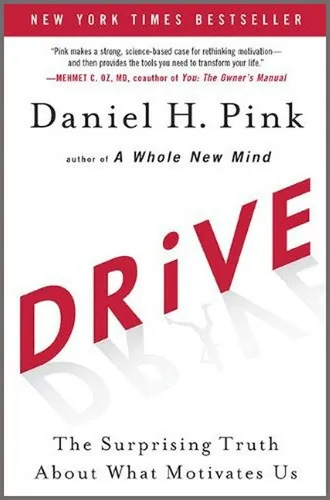
- Think clearlyDriveDaniel H. Pink
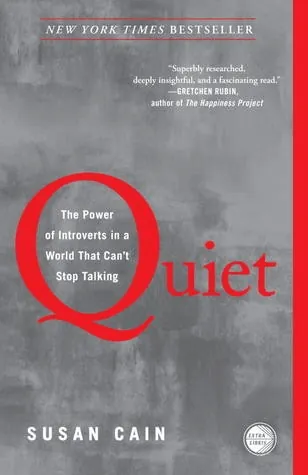
- Think clearlyQuietSusan Cain
- Think clearlyThe Psychology of MoneyMorgan Housel
- Think clearlyRangeDavid Epstein
- Think clearlyPredictably IrrationalDan Ariely
Frequently asked questions
What is Mindset about?+
Carol Dweck's 2006 thesis is that almost every learning behavior is shaped by an underlying belief about whether ability is fixed or grown — and that the belief itself can be shifted.
How long does it take to read Mindset?+
The full Mindset typically takes 4-6 hours to read cover-to-cover. The Read Stacks chapter summaries cover the same ideas in ~14.5 minutes total (8 chapters at ~30 seconds each).
Who is Mindset for?+
Mindset is widely regarded as essential reading in its field. The Read Stacks summary is the fastest way to decide if the full book is worth your time before committing to it.
What are the key ideas in Mindset?+
The book covers The Mindsets, Inside the Mindsets, The Truth About Ability and Accomplishment, Sports: The Mindset of a Champion and Business. Each chapter has a free summary on Read Stacks (~30 seconds each).
Is Mindset worth reading?+
If you're interested in the ideas in Mindset, Mindset is widely considered essential. The Read Stacks chapter summaries help you decide — read the free first chapter, then buy the full book on Amazon if the argument resonates.
Books like Mindset
If Mindset resonated, these non-fiction books pick up the same threads.
From Read Stacks · Learn
How to get more out of this book
Two short essays on the meta-skill — what chapter summaries actually preserve, and the six retention techniques that decide whether what you read here is still useful six months from now.
- Are book summaries actually useful, or am I just cheating?
Chapter summaries are a navigation tool, not a substitute. Used right, they help you read more books fully — by helping you avoid the wrong ones. Used wrong, they're a comfort blanket that lets you feel like you're reading without engaging with the material.
6 min read
- I read a lot of books but can't remember anything. What works?
Forgetting most of what you read is normal, not a personal failing — your brain wasn't designed to retain prose at the rate modern readers consume it. The practices that DO work share one thing: they force you to USE the material instead of just consuming it. Six specific techniques, each tested across decades.
7 min read
Appears in these topics
Mindset is part of this curated reading list — each a “best books on X” cluster with a synthesis on how the books fit together.
Want one curated stack a week in your inbox? Subscribe to the free weekly stack →